
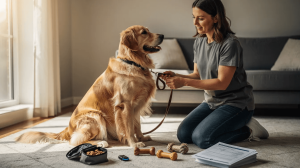
The cost of dog training is one of the first questions many dog owners ask—and it’s a fair one. Whether you’re dealing with a new puppy who needs foundation work or an adult dog pulling you down the sidewalk in Blacksburg, understanding what affects professional training costs can help you make a more informed decision for your dog and your budget.
This guide explains the factors that influence dog training costs across the New River & Roanoke Valley area, how different training formats compare, and what to evaluate before choosing a program. It’s written for dog owners in Blacksburg, Roanoke, Christiansburg, Salem, Radford, and surrounding communities who want practical information about the investment involved.
There is no single standard cost for professional dog training. Pricing depends on the program format, duration, training goals, behavioral complexity, included equipment, residential care when applicable, and the provider. Because program pricing can change, use the current plans and pricing page rather than relying on broad national or local estimates.
By the end of this guide, you’ll understand:
- What drives dog training cost differences between program types
- How to compare private lessons, Board & Train, and behavior-focused options
- How your dog’s needs and training goals can affect program selection
- How to evaluate what’s included in a training package
- How to maximize the long-term value of your dog training investment
Understanding Dog Training Cost Fundamentals
Professional dog training involves working with a trainer or training organization through a structured program designed around specific skills or behavior goals. Depending on the program, those goals may include recall, loose-leash walking, basic obedience, manners, puppy foundations, or behavior management.
Dog training costs vary because the amount and type of professional involvement also vary. A private lesson requires a different commitment from an extended lesson package or residential Board & Train. Trainer time, residential care, equipment, facilities, program duration, and the complexity of the training goals can all affect what a program costs.
The current dog training services available through Off Leash K9 Training New River & Roanoke Valleys include obedience training, Board & Train, puppy training, in-home training, behavior consultation, aggression-focused training, and therapy-dog preparation.

Types of Training Programs
Training format is one of the main factors that affects the cost of dog training.
Private lessons provide one-on-one instruction for you and your dog. They can be useful for foundational obedience, owner coaching, targeted manners, and other goals that benefit from individualized attention.
Board & Train programs are residential programs in which your dog stays with a professional trainer for a set period. Current New River & Roanoke Valley options include one-, two-, and three-week residential programs with different goals, methods, and eligibility requirements.
Behavior-focused training is available for dogs dealing with concerns such as aggression, reactivity, or high anxiety. These cases may require a different training plan from standard obedience, and the appropriate program depends on the dog’s individual behavior and history.
Program availability varies by provider, so compare the actual curriculum and services being offered rather than assuming every trainer provides the same formats.
Training Duration and Intensity
Shorter lesson programs generally involve less trainer time than extended lesson packages or residential training. Off Leash K9 Training New River & Roanoke Valleys currently offers individual lesson options, four- and eight-lesson obedience programs, and six-session Puppy Lessons, among other formats.
Residential programs require the trainer to work with and care for the dog over a defined stay. Current Board & Train options include one-, two-, and three-week programs, with curricula ranging from leash manners to off-leash obedience, advanced distraction work, and puppy foundations.
More training time does not automatically guarantee better results. The appropriate duration depends on the dog’s starting point, temperament, training goals, program eligibility, and the owner’s follow-through after professional training ends.
The question is not simply “How much does it cost?” but also “Which program appropriately addresses my dog’s needs?”
Factors That Influence Training Costs
Beyond program type and duration, several variables influence the overall investment in professional dog training.
Your Dog’s Individual Needs
Your dog’s age, temperament, training history, behavior, and current skill level can affect which programs are appropriate. Age requirements also vary by program. Puppy programs are designed for younger dogs, while standard obedience and Board & Train options have their own eligibility requirements.
Breed alone does not determine what a training program should cost. What matters more is the individual dog’s behavior, learning history, temperament, and training goals.
A dog displaying aggression, reactivity, or significant anxiety may need a different program from a dog that primarily needs basic obedience or leash manners.
Dog training costs therefore depend partly on the type of program that appropriately matches the dog’s needs rather than on age or breed alone.
Training Goals and Complexity
What you want your dog to learn affects which training program makes sense. Basic obedience commonly covers skills such as come, sit, down, place, and loose-leash walking, while advanced programs may add distance work and greater distraction proofing.
Specialized goals can require a different curriculum. Therapy Dog Preparation, for example, includes public-environment exposure, work around noises and moving objects, Canine Good Citizen practice, and preparation for testing. The program is preparation for therapy-dog testing and is not itself formal certification. The AKC Therapy Dog Program provides additional context on therapy-dog titles and recognized therapy-dog organizations.
Dogs with aggression, reactivity, or high anxiety may be directed toward Behavioral Modification Management or another program recommended after discussing the dog’s history. Major aggression issues cannot be guaranteed to be completely resolved and may instead require ongoing management.
Trainer Experience and Methods
Trainer experience, program structure, facility costs, residential care, equipment, and owner support can all affect pricing. Credentials and experience are worth considering, but they do not support a universal percentage markup or guarantee a particular outcome.
Training methods can also affect what is included in a program. Current New River & Roanoke Valley offerings include e-collar-based obedience programs as well as non-e-collar options such as Core Canine Conduct, Puppy Lessons, Puppy Jump Start, and On-Leash Trifecta. Dog owners comparing approaches can also review the American Veterinary Society of Animal Behavior’s current guidance on humane dog training.
Ask how the trainer works, what equipment is used, what the program includes, and what you will be expected to continue at home.
Geographic market conditions can influence professional-service rates, but broad national averages are not a substitute for a local trainer’s current published program information.
Training Program Cost and Investment Comparison
Understanding what each program actually includes is more useful than comparing price alone.
Private Lesson Programs
Private lessons may be a good fit when you want hands-on coaching, prefer to participate directly in the training process, or need a lesson-based program tailored to your dog’s goals.
Current lesson options include:
- Basic Obedience: Four private one-hour lessons covering foundational commands such as come, sit, down, place, loose-leash walking, and off. The current package includes an e-collar and training leash.
- Basic & Advanced Obedience: Eight private one-hour lessons combining the Basic Obedience curriculum with advanced lessons.
- Behavioral Modification Management: An eight-lesson program for dogs with people or dog aggression, reactivity, or high anxiety. The program focuses on helping owners gain better control and manage behavior around triggers.
- Puppy Lessons: Six 30-minute non-e-collar sessions for puppies over 10 weeks and up to six months. Topics include engagement, markers, come, sit, place, down, leash manners, and routine, structure, and exposure.
- Core Canine Conduct: Four- and eight-lesson non-e-collar options for owners who want obedience training without an e-collar.
Because private lessons involve the owner directly, they also provide an opportunity to learn how cues, equipment, reinforcement, and practice should be handled between sessions.
Board & Train Programs
Board & Train may be a fit for owners who want an immersive residential training format. The dog stays with a professional trainer, works through a defined curriculum, and the owner receives a turnover session at the end of the applicable program to learn how to continue the training at home.
Current residential options include:
- 2-Week Board & Train: Focuses on practical obedience, off-leash recall, sit, down, place, heel, greeting manners, door and meal manners, and work around distractions. Some anxious dogs may not become fully off-leash, and reactive or aggressive dogs may be referred to another program.
- 3-Week Advanced Board & Train: Provides additional training time and may be considered for some dogs that are slightly reactive, anxious, fearful, or need additional work around distractions. Overly anxious or reactive dogs may not become fully off-leash.
- On-Leash Trifecta Board & Train: A three-week non-e-collar program focused on confidence and practical on-leash obedience. Trainers use treats and praise with either a martingale or prong collar depending on the dog’s needs.
- Puppy Jump Start: A three-week non-e-collar residential program for puppies three to six months old. It covers potty-training foundations, crate training, on-leash basic commands, marker training, socialization, public outings, and routine.
- 1-Week Leash Manners Board & Train: A non-e-collar residential program focused on leash manners, sit, greeting manners, doors, meals, and other basic household manners.
Program Comparison
| Program Type | Structure | Primary Cost Drivers |
| Basic Obedience | 4 private lessons | Trainer time, included training equipment, individual coaching |
| Basic & Advanced Obedience | 8 private lessons | Additional trainer time, advanced curriculum, equipment |
| Behavioral Modification Management | 8 lessons | Individualized behavior work, specialized handling, equipment |
| Puppy Lessons | 6 short private sessions | Puppy foundation curriculum and owner coaching |
| Core Canine Conduct | 4 or 8 private lessons | Non-e-collar obedience curriculum and trainer time |
| 1-Week Leash Manners Board & Train | Residential | Residential care, training, equipment, turnover instruction |
| 2-Week Board & Train | Residential | Extended residential care, obedience, distraction work, equipment, turnover |
| 3-Week Advanced Board & Train | Residential | Longer residential stay, additional training time, advanced distraction work |
| On-Leash Trifecta | 3-week residential | Residential care, non-e-collar training, confidence and on-leash work |
| Puppy Jump Start | 3-week residential | Puppy care, training, socialization, field trips, turnover |
When comparing options, focus on what is included rather than looking only at the bottom-line number. Equipment, owner turnover instruction, program duration, residential care, refresher support, and specialized behavior work can all affect the overall value.
The right choice depends on your dog’s needs, your training goals, and how involved you want to be during the training process.

Common Cost Concerns and Smart Solutions
Budget concerns are real, but price should be considered alongside program fit, curriculum, and what the trainer actually provides.
Finding Quality Training Within Your Budget
The least expensive option is not automatically the best fit, and the most expensive program is not automatically the right one.
Compare:
- Program curriculum
- Training format
- Equipment
- Owner instruction
- Eligibility requirements
- Follow-up support
- Training methods
- Program duration
A dog that needs puppy foundations may need a different format from a dog working on off-leash obedience or significant reactivity. Choosing the program that addresses the actual training goal is more useful than comparing unrelated programs solely by cost.
Also ask what happens after the formal program ends. Some programs include refresher support or turnover instruction, while others may handle follow-up differently. Confirm exactly what is included before enrolling.
Understanding What’s Included in Training Costs
When comparing dog training services, look beyond the headline price and ask what is included.
- Equipment: Check whether the package includes required equipment such as an e-collar, training leash, long lead, martingale collar, or prong collar. Equipment varies by program.
- Owner education: For residential programs, check how the trainer transfers the dog’s training back to you and what turnover instruction is included.
- Follow-up support: Determine whether refresher sessions or other post-program support are included and whether limitations apply.
- Residential care: For Board & Train, confirm what is included during the dog’s stay and what the owner must provide.
- Environments and exposure: Review the curriculum to see whether training includes distractions, public exposure, field trips, or other environment-specific work relevant to your goals.
Understanding what is bundled into the program helps you compare options more accurately.
Making Your Training Investment Work Long-Term
Professional training still requires owner follow-through. Skills taught during lessons or residential training need to be reinforced consistently at home according to the trainer’s instructions.
Think of the training cost as an investment in both the dog’s learning and the owner’s ability to maintain that training. A good handoff should help you understand the cues, equipment, expectations, and practice needed after the program.
If follow-up support matters to you, confirm what is included before enrolling. Refresher availability varies by program.
The value of professional training ultimately depends on whether the program addresses your actual goals and gives you a practical system you can continue using with your dog.
Conclusion and Next Steps
The cost of dog training reflects factors such as trainer time, program length, training format, equipment, residential care when applicable, and the complexity of the training goals. The best value comes from choosing a program that fits your dog’s actual needs and understanding what is included before you enroll. Start by assessing your dog’s age, behavior history, current skills, and specific training goals. Then compare private lessons, Board & Train, puppy training, and behavior-focused options to determine the most appropriate starting point. Ask what is included, what training methods are used, what owner follow-through is required, and what support is available after the program. Once you understand your dog’s needs and the available options, choose the training format that best matches your goals and your ability to follow through at home. Off Leash K9 Training New River & Roanoke Valleys offers puppy training, obedience lessons, Board & Train, behavior-focused services, and therapy-dog preparation for owners across the New River and Roanoke Valleys. Free consultations are available to discuss your dog’s age, behavior, training history, and goals, and you can contact the training team to discuss which option may be appropriate.
Frequently Asked Questions
How much does basic obedience training typically cost?
Basic obedience pricing depends on the provider and what the package includes. Off Leash K9 Training New River & Roanoke Valleys currently offers a four-lesson Basic Obedience program that includes private instruction, an e-collar, and a training leash. Check the current pricing page for the latest program details.
Are Board & Train programs more effective than private lessons?
Board & Train and private lessons serve different needs, so one is not automatically more effective than the other. Board & Train provides an immersive residential format, while private lessons involve the owner directly throughout training. Program fit depends on the dog’s needs, goals, temperament, and the owner’s preferences.
What factors influence the cost of dog training?
Costs can vary based on program format, duration, training goals, behavioral complexity, trainer time, equipment, residential care, and location. Your dog’s age or behavior may also affect which programs are appropriate, but breed alone does not determine training cost.
Is puppy training worth the investment?
Puppy training can help establish early skills, routines, engagement, leash manners, and appropriate exposure. Whether it is worth the investment depends on your goals and the program offered. Review the curriculum, age requirements, format, and owner involvement before enrolling.
Do training programs include owner education?
Owner education varies by program. Private lessons naturally involve owner participation, while the current Board & Train programs include turnover instruction at the end of training. Ask what owner coaching and follow-up support are included before enrolling.
Can online courses replace in-person training?
Online courses can explain training concepts and demonstrations, but they do not provide the same hands-on observation and real-time feedback as working directly with a trainer. Whether online instruction is sufficient depends on the dog’s needs, the behavior being addressed, and the owner’s experience.