
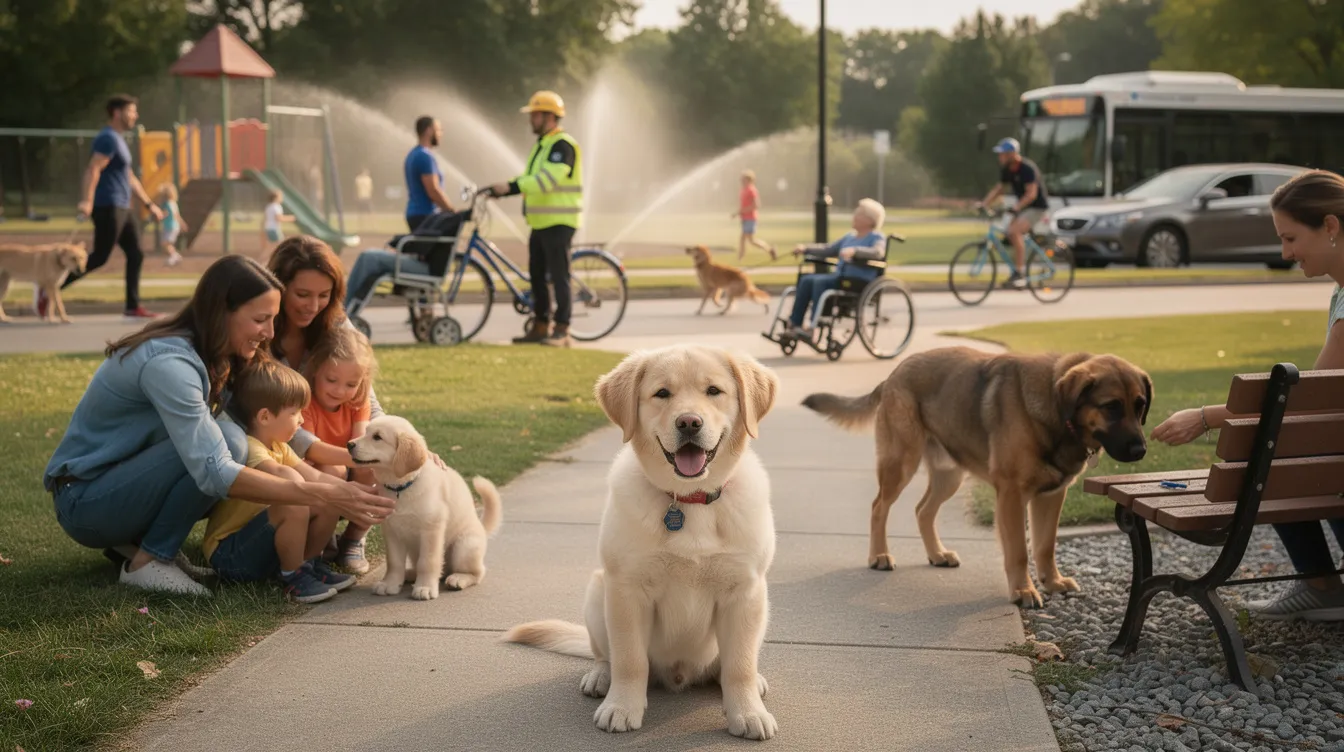
A puppy socialization checklist is a structured, age-appropriate guide that maps every essential experience your young puppy needs during the critical developmental window between 8 and 16 weeks of age. It covers positive exposure to diverse people, safe animals, varied environments, everyday sounds, and gentle handling-all organized week by week so nothing gets missed. This article provides a complete framework for new puppy owners who want to prevent future behavioral problems and raise a confident, well-adjusted adult dog.
Puppies are most receptive to new experiences in their first three months of life. During the critical socialization window of 8–16 weeks, your pup needs positive exposure to 100+ different stimuli-including unfamiliar people of various ages, other dogs, different sounds, novel surfaces, and routine handling-all paired with treats, praise, and calm energy. This early investment separates dogs who move through the world with relaxed body language from those who spend their lives reacting out of fear.
By following this socialization checklist, you will:
- Prevent fear-based aggression, anxiety, and reactivity before they develop
- Build lasting confidence that carries into adulthood
- Create positive associations with the people, animals, and environments your dog will encounter for life
- Establish the behavioral foundation for successful obedience training
- Reduce the likelihood of behavioral problems that lead to rehoming or surrender
Understanding Puppy Socialization Fundamentals
Puppy socialization is the process of deliberately and positively exposing a young puppy to the full range of stimuli it will encounter throughout its life-people, animals, environments, sounds, textures, smells, and handling. It is not random exposure or simply letting your pup “figure it out.” Socialization should prioritize positive associations over mere exposure. Every encounter is an opportunity to teach your puppy that new experiences are safe, predictable, and even rewarding.
Why does this matter so much? Inadequate socialization is a leading contributor to behavioral problems later in life. Research published in the Journal of Veterinary Behavior has consistently shown that the frequency and diversity of social and environmental exposure in puppyhood correlates with lower adult fear, reduced aggression, and higher sociability. The reverse is equally true: puppies raised with limited exposure are significantly more likely to develop chronic fear, anxiety, and reactivity.
The Critical Socialization Window
Puppies should be socialized between 7 and 16 weeks of age-a period researchers call the “primary socialization window.” During these weeks, the puppy’s brain is undergoing rapid synaptogenesis, forming neural pathways that shape how it will respond to the world for the rest of its life. Puppies are most receptive to new experiences before 12 weeks old, though meaningful benefits continue through 16 weeks and beyond.
Classic studies from the 1950s–60s by Scott and Fuller established that puppies deprived of human exposure before approximately 14 weeks often never form normal social bonds with people. Modern research confirms these findings and adds that early positive experiences shape stress physiology (including cortisol regulation) and adult temperament. In one study, German Shepherd puppies who received more maternal interaction during their first three weeks showed calmer, more stable temperaments as adults-demonstrating that socialization’s roots start even before your puppy comes home.
The connection between early socialization and future trainability is direct. Puppies socialized with both humans and other dogs perform better in obedience, show greater impulse control, and handle frustration more effectively. Socialization helps build a confident, well-adjusted adult dog who can learn in varied environments without shutting down or becoming reactive.
Positive Association Principles
Every socialization experience should be built on positive reinforcement. Use tasty treats, verbal praise, and your own calm demeanor to create a positive emotional response to each new stimulus. When your puppy encounters a new person, hears a strange sound, or walks across an unfamiliar surface, the goal is for the pup to think, “That thing predicts good things happening.”
Equally important is learning to read your puppy’s body language. Stress signals like lip licking, yawning, whale eye, freezing, or turning away all indicate your puppy is feeling overwhelmed. When you see these signs, increase distance from the stimulus, lower intensity, and allow the puppy to choose when to approach. Positive low-stress exposure is crucial for puppy development-an unpleasant or overwhelming experience during this sensitive period can create a negative association that is extremely difficult to reverse.
This approach supports everything that comes next in your puppy’s life. Whether you pursue puppy training lessons or advanced obedience, a puppy who has been socialized positively will learn faster, recover from setbacks more easily, and remain calm in novel situations.
Essential Socialization Categories
A comprehensive socialization checklist covers five core categories. Each category addresses a different dimension of the world your puppy will navigate, and skipping any one of them leaves a gap that can surface as fear or reactivity months or years later. Gradual introductions to novel experiences are key to effective socialization-start with quiet environments before busy ones, and always build from easy to challenging.
People Socialization
Your puppy needs to meet a wide variety of people so that no human appearance, movement, or behavior triggers fear. Introduce your puppy to various people to build positive associations:
- Adults of various ages and many ethnicities, including people with facial hair, sunglasses, hats, and uniforms
- Children from toddlers to teenagers-both calm children and energetic, loud ones
- People with mobility aids such as wheelchairs, walking sticks, and crutches
- Strangers versus familiar family and friends-your pup should learn that a new person approaching the front door is not a threat
- People in motion: people running, jogging, cycling, or riding electric scooters
The San Diego Humane Society and similar organizations emphasize that puppies should choose when to approach new people rather than being forced into interactions. Let each person offer high-value treats while remaining still and calm. This teaches the puppy that unfamiliar people predict good things.
Animal Exposure
Controlled meetings with other vaccinated animals are important for developing healthy social skills. Your checklist should include:
- Well-socialized adult dogs in controlled settings-an adult dog with relaxed body language teaches your puppy appropriate canine communication
- Other puppies during supervised play, ideally in structured puppy classes where interactions are monitored
- Unfamiliar dogs of different sizes, breeds, and energy levels, always with careful supervision
- Other animals: cats, birds, and other household pets when safe and appropriate
- Livestock and wildlife observed from safe distances, which is especially relevant for puppies growing up in rural areas of the New River and Roanoke Valleys where deer and farm animals are common encounters
Monitor and manage puppy interactions with unfamiliar stimuli carefully. Not every dog your puppy meets needs to become a play partner-sometimes observation from a distance is the more valuable lesson.
Environmental Experiences
Introduce puppies to different environments and locations gradually, progressing from familiar to novel:
- Indoor spaces: your home, friends’ homes, pet-friendly stores, veterinary offices, and training facilities
- Outdoor environments: parks, sidewalks, parking lots, wooded trails, and open fields
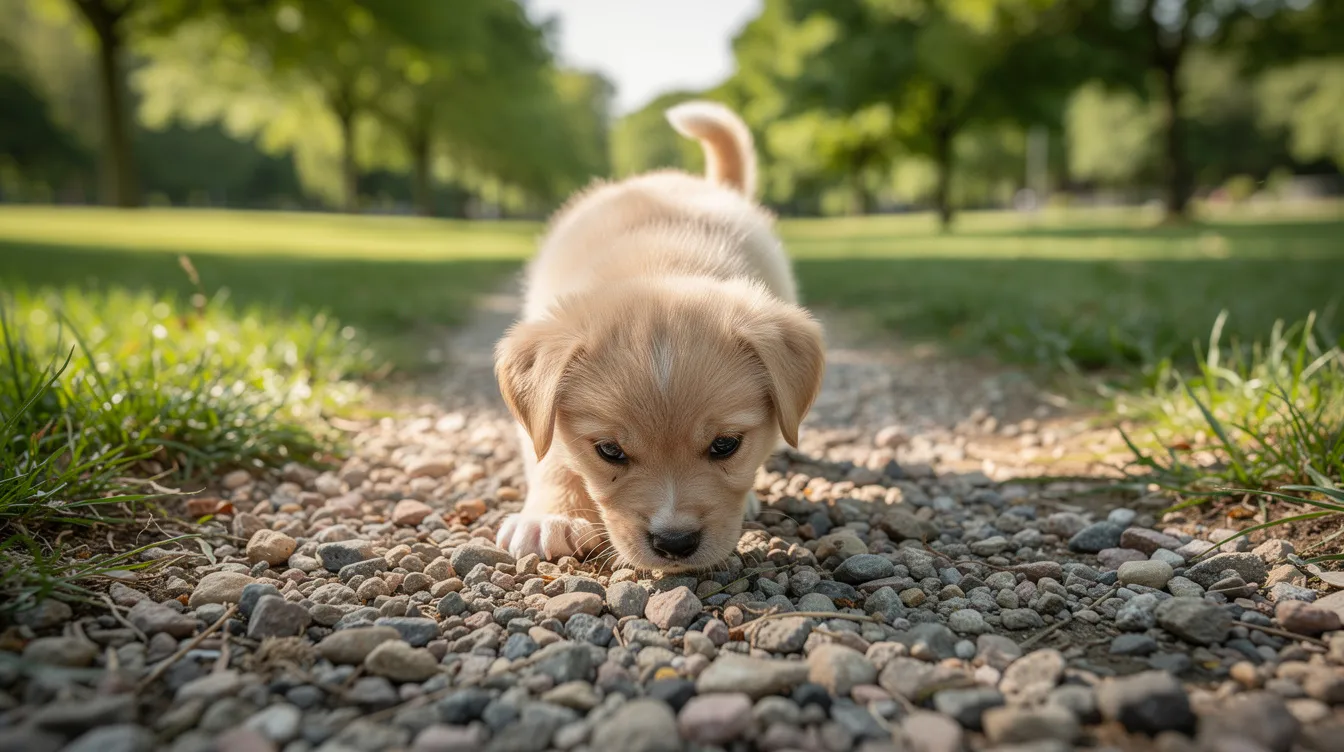
- Different surfaces: grass, concrete, gravel, sand, metal grates, stairs, ramps, and surfaces like slippery floors-puppy socialization should include different surfaces and textures to prevent surface-related anxiety
- Weather conditions: light rain, wind, sun, varying temperatures-these are experiences puppies need before they’re confronted with a sudden thunderstorm as an adult
- Moving objects: strollers, shopping carts, skateboards, bicycles, and plastic bags blowing in the wind-puppies should be exposed to moving objects to prevent fear
Always observe the puppy’s body language for comfort during exposure. If your pup shows stress signals, create more distance and use treats to rebuild confidence before trying again.
Detailed Implementation Strategy
The practical challenge of puppy socialization lies in balancing vaccination safety with developmental urgency. Your puppy’s immune system isn’t fully protected until the vaccination series is complete (typically around 16 weeks), yet the most critical socialization window is already closing during that same period. Veterinary consultations can guide safe socialization practices that protect your pup’s health while keeping development on track.
Weekly Socialization Schedule
Puppies should experience various stimuli before 18 weeks old. Here’s how to structure the process week by week, using treats to create positive associations with new experiences at every stage:
Weeks 8–10: Foundation at Home. Start socialization with quiet environments before busy ones. Focus on household sounds (vacuum, dishwasher, TV), family handling of ears, mouth, and paws, and familiar indoor environments. Introduce your puppy to sound recordings of different sounds-such as thunder, fireworks, and babies crying-played at very low volume while offering treats. Begin crate training, short car rides, and gentle grooming with physical touch. Encourage family members to handle your puppy gently and frequently.
Weeks 10–12: Expanding the World. After initial vaccinations, begin introducing new people and pet-friendly locations. Your pup should meet strangers of various ages and appearances-people with hats, facial hair, uniforms. Start puppy classes for supervised play with other dogs. Visit indoor public spaces (pet stores, friends’ homes). Gradually increase the volume on sound recordings. Introduce grooming tools like brushes, and touch electric clippers (turned off, then on at low volume) near the puppy while pairing with food.
Weeks 12–14: Diverse Environments and Encounters. Expand to more diverse environments: stairs, uneven terrain, ramps, and different outdoor surfaces. Introduce walking on slippery floors at home. Arrange controlled meetings with cats or other animals. Expose your puppy to children, including toddlers, with careful supervision. Visit the vet for a non-invasive happy visit-just treats, praise, and positive experiences in the exam room. Introduce new smells, textures, and visual stimuli.
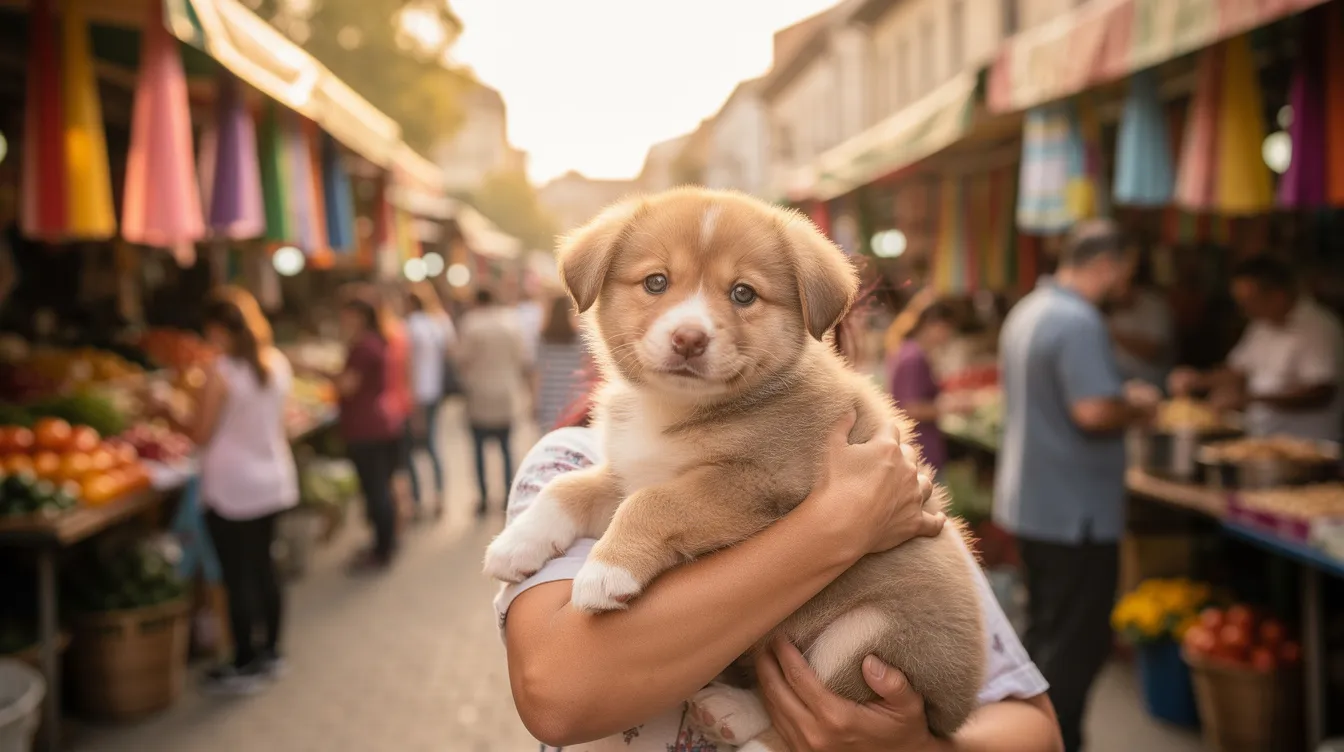
Weeks 14–16: Challenge Exposures. Now is the time for intensive exposure to remaining checklist items and more challenging scenarios. Busy streets, crowded farmers’ markets, construction sounds, and unexpected stimuli all belong in this phase. Reinforce everything your puppy has already learned. Ensure your pup has met people of many ethnicities, all ages, and with varied accessories. Walk near electric scooters, skateboards, and people running. Practice calm behavior at the front door when visitors arrive. Puppies should experience new things before 18 weeks old-don’t wait.
Track experiences using a puppy socialization checklist. Evaluate your puppy’s reactions to new experiences with simple grades: confident, cautious, or fearful. This tracking reveals patterns and helps you identify areas that need more positive exposure. Puppies should experience 100 different stimuli by 100 days old-a widely used benchmark that gives owners a tangible goal.
Safety Protocols and Vaccination Considerations
Balancing disease risk with behavioral development requires clear protocols:
| Vaccination Stage | Safe Activities | Activities to Avoid |
|---|---|---|
| Before first vaccines (6–8 weeks) | Home environment, breeder socialization, carried in public | Ground contact in public, unknown dogs, dog parks |
| After first DHPP round (8–10 weeks) | Puppy classes with vaccinated peers, pet-friendly stores (carried), car rides | High-traffic dog areas, hiking trails, unvaccinated animals |
| After second round (10–12 weeks) | Controlled outdoor walks, supervised play with known vaccinated dogs, vet visits | Dog parks, heavily trafficked pet areas |
| Full series complete (~16 weeks) | All public environments, dog parks (with supervision), broad outdoor exploration | Still avoid overwhelming crowds or aggressive dogs |
Avoid high-traffic areas until puppies are fully vaccinated. Before full immunization, carry your puppy in public spaces to provide visual, auditory, and olfactory exposure without ground contact. Select play partners whose vaccination status you can verify. Puppy classes can play a valuable role in socialization before vaccinations are complete-reputable programs like those offered through board-and-train programs require proof of age-appropriate vaccinations for all participants.
When in doubt, consult your veterinarian about your specific puppy’s risk profile and vaccination timeline.
Common Challenges and Solutions
Even the most diligent socialization plan hits obstacles. Here’s how to handle the three most common issues while keeping your puppy’s experience positive.
Puppy Shows Fear or Overwhelm
If your pup freezes, tucks its tail, shows lip licking, or tries to flee, it’s feeling overwhelmed. Slow down the exposure pace and increase distance from the stimulus immediately. Switch to higher-value treats-small pieces of chicken or cheese often work when regular kibble doesn’t. Keep sessions short and always end on a positive note before the puppy becomes stressed. Encourage discovery and curiosity rather than forcing confrontation. If fear persists across multiple sessions, consider working with a professional to build your dog’s confidence through structured counter-conditioning.
Limited Safe Socialization Opportunities
Not everyone has easy access to puppy classes or diverse social environments-especially in rural areas. Create controlled meet-ups with friends or neighbors who have known vaccinated dogs. Invite people of different ages and appearances to visit your home specifically for socialization sessions. Use reward-based training methods to socialize puppies effectively even in limited spaces: play recordings of sirens, thunder, and babies crying inside your home while feeding treats. Introduce your puppy to grooming tools, plastic bags, umbrellas, and novel objects in your living room. A single well-managed positive experience outweighs a dozen uncontrolled ones.
Puppy Becomes Overexcited or Reactive
Some puppies don’t show fear-they show too much excitement, lunging, barking, or mouthing during new encounters. Practice calm greetings: ask your puppy to sit before meeting a new person, and reward quiet, appropriate behavior with treats and praise rather than reinforcing demanding attention. Avoid overwhelming your puppy with too much stimulation at once-excitement that tips into arousal can become the foundation for adult reactivity. If your puppy shows early signs of reactivity toward other dogs or strangers, professional guidance through structured training can redirect these patterns before they become entrenched.
Conclusion and Next Steps
Consistent, positive socialization during the 8–16 week window creates the foundation for a lifetime of confidence, trainability, and emotional resilience. Socialization helps prevent behavioral problems later in life-and the investment you make during these few critical weeks pays dividends for every year that follows. Positive experiences during socialization prevent future anxiety and fear, while the habits you build now-reading body language, using treats strategically, introducing new things gradually-will serve you throughout your dog’s life.
Start today with these immediate actions:
- Download or create a socialization checklist and begin tracking every new experience, person, animal, sound, surface, and environment your puppy encounters
- Schedule your puppy’s next vaccination and discuss safe socialization protocols with your vet
- Identify three safe socialization opportunities this week-a friend’s vaccinated dog, a new surface in your home, a sound recording played at low volume during mealtime
- Start grooming your puppy by touching their paws and ears daily, and regularly clean your puppy’s ears and trim their nails with positive reinforcement during grooming to create positive associations
As your puppy matures past 16 weeks, socialization doesn’t stop-it transitions. Continue exposing your adolescent dog to new environments, maintain play with other dogs, and begin formal obedience training to build on the behavioral foundation you’ve established. If behavioral concerns arise during adolescence, address them early rather than waiting for them to solidify. Handling exercises prepare puppies for vet visits and grooming throughout their entire life, not just during the socialization window.
For comprehensive puppy development that goes beyond basic socialization, professional training programs provide the structured, controlled exposure environments that produce the best long-term outcomes. Contact us for a free consultation to discuss how our puppy programs can support your pup’s development.
Additional Resources
- Printable socialization checklist: Create your own tracking sheet organized by category (people, animals, environments, sounds, handling) with columns for date, the puppy’s reaction grade, and notes
- Local puppy-friendly venues in the New River and Roanoke Valleys: Pet-friendly stores, local farmers’ markets, training facilities, and community parks offer excellent controlled socialization environments after appropriate vaccinations
- Puppy training programs: Structured puppy lessons and board-and-train options designed for puppies in the socialization window and beyond
- Related topics: Building confidence in fearful dogs, transitioning to formal obedience training, and understanding your training options and pricing