
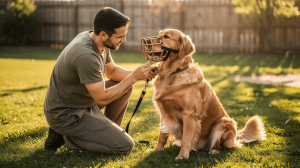
Muzzle training a dog is the process of teaching your dog to willingly and calmly wear a muzzle through gradual, positive reinforcement. It’s a useful skill for many dogs, not just those labeled “aggressive.” Whether you have a laid-back family pet or a reactive rescue, muzzle conditioning can help prepare your dog for situations where a muzzle may reduce bite risk.
This article covers the essentials of positive, reward-based muzzle training: why it matters, how to choose and fit equipment, a step-by-step training plan, and when to seek professional help. It’s a practical resource for dog owners in Roanoke, Blacksburg, Christiansburg, Salem, and the surrounding valleys. If your dog is injured or needs urgent care, contact your veterinarian rather than delaying treatment to complete muzzle training.
The core process is simple: introduce the muzzle gradually, reward voluntary interaction, build comfortable nose insertion, and add straps and wear time in small steps. Progress depends on your dog’s response, not a fixed schedule.
By the end of this guide, you’ll know how to:
- Choose a muzzle suited to your dog’s needs
- Check for panting room, secure straps, and comfortable fit
- Follow a three-phase conditioning plan
- Recognize when to slow down or stop
- Decide when professional guidance is appropriate
Understanding Muzzle Training
Muzzle training means helping a dog associate a muzzle with good things, such as treats, praise, and calm experiences. Gradual exposure helps the dog become familiar with the equipment, while pairing it with rewards builds a positive association. The goal is comfortable, voluntary participation, including placing their nose inside without being pushed or restrained.
Why does muzzle training matter even for “friendly” family pets? Pain, fear, or unfamiliar handling can increase the risk of a defensive bite. Preparing your dog before a muzzle is needed gives you time to introduce it gradually, instead of adding unfamiliar equipment during an already stressful situation.
Cornell University’s basket muzzle guidance explains why dogs of different ages and temperaments can benefit from learning to wear one comfortably. vet.cornell.edu
A properly selected and fitted muzzle can reduce risk during veterinary care, supervised walks, and behavior work. It does not eliminate the possibility of injury or make close contact with triggers appropriate. A muzzled dog still needs safe handling, adequate distance, and management.
The Purpose of a Dog Muzzle
A basket muzzle may be used to reduce bite risk or limit scavenging, depending on its design. For training and walks, choose a model that allows comfortable, open-mouth panting, drinking, and treat delivery. A small gap around a closed mouth is not enough. Not every basket muzzle provides the same bite protection or prevents a dog from picking up small objects.
Situations where a muzzle may be useful include veterinary exams, grooming, supervised walks, and professionally planned behavior sessions. For dogs that eat inappropriate objects, a suitable design may help limit access, but basket openings can still allow some items through. Continue supervision and training rather than relying on the muzzle alone.
Muzzles should never be used as punishment or as a routine way to stop barking or destructive chewing. During training, do not force your dog’s face into the muzzle. Urgent veterinary care may require a different handling plan before conditioning is complete; let the veterinary team determine the safest approach.
Penn Vet’s basket muzzle handout also cautions that a muzzled dog can injure someone by lunging or striking them with the equipment. A muzzle adds a layer of management; it does not make unwanted contact safe. vet.upenn.edu
Myths and Misconceptions About Muzzles
Several persistent myths keep dog owners from exploring muzzle training.
“Only bad dogs wear muzzles.” A dog may wear a muzzle for veterinary care, scavenging prevention, or other safety needs. Muzzle use does not tell you everything about a dog’s temperament or history.
“Muzzles always hurt dogs or compromise breathing.” Appropriate equipment and fit matter. A roomy basket muzzle can allow panting and drinking, while a restrictive model can interfere with cooling. Check the individual muzzle on your dog rather than assuming every basket design fits safely.
“If my dog needs a muzzle, I’ve failed as an owner.” Using appropriate safety equipment is a responsible response to your dog’s needs. It does not replace training, but it can be part of a thoughtful management plan.
“Muzzles make dogs more aggressive.” A muzzle does not treat the underlying cause of aggression. Gradual, reward-based conditioning can help a dog become more comfortable with the equipment, while forced or rushed use can add stress.
“A muzzle means people can approach freely.” A muzzled dog still needs space. Ask people not to approach, pet, or offer food unless you have agreed that the interaction is appropriate.
Think of the muzzle as safety equipment. Its usefulness depends on selecting it carefully, introducing it thoughtfully, and continuing to manage the situations in which it is worn.
Choosing the Right Muzzle for Your Dog
Now that you understand why muzzle training is valuable, let’s walk through how to pick appropriate equipment. Fit and design affect comfort and your dog’s willingness to participate. If you’re unsure about fit or bite protection, ask your veterinarian or a qualified professional experienced with muzzle selection.
Main Types of Dog Muzzles
Basket muzzles are generally the preferred style for conditioning and supervised walks because an appropriately sized model can allow panting, drinking, and rewards. Materials include plastic, wire, leather, and coated webbing. Shape, strength, flexibility, and fit vary, so do not choose solely by material or assume every model offers equivalent bite protection.
Restrictive cloth or nylon sleeve muzzles hold the dog’s mouth mostly closed and can limit panting and drinking. They are unsuitable for walks, exercise, or routine conditioning. A veterinary professional may use one briefly for a specific procedure when appropriate. Extra caution is necessary for flat-faced dogs or dogs with breathing problems.
Specialty muzzles for short-nosed dogs require careful attention to breathing, visibility, and fit. Ask your veterinarian for guidance rather than trying to adapt a standard long-snouted design.
Improvised muzzles are not a substitute for properly fitted equipment. Do not improvise a wrap around an injured dog’s mouth without veterinary direction. Keep your dog’s suitable muzzle accessible, but contact the veterinary team for handling instructions during an emergency.
How to Measure and Fit a Muzzle Correctly
Use the instructions for the specific model you are considering. Breed labels and general size charts are starting points, not a substitute for measuring your dog.
Check the following:
- Snout length: Follow the manufacturer’s stated measurement points. Length determines front-to-back clearance, not vertical panting room.
- Snout circumference, width, and height: Take the measurements required for the particular model. Closed-mouth circumference alone does not establish adequate panting clearance.
- Strap fit: Follow the manufacturer’s instructions and check that the muzzle stays secure without digging into the skin or interfering with the ears or eyes.
Once your dog is comfortable enough to wear the muzzle briefly, assess its actual fit:
- Your dog can open their mouth comfortably to pant and move their tongue.
- The basket does not press against the nose or rub near the eyes.
- The straps remain secure without causing pressure or irritation.
- Your dog can drink and receive suitable rewards.
- The muzzle does not slip off during ordinary movement.
A muzzle used for walks or training must allow comfortable, open-mouth panting and tongue movement. Check this on your dog rather than relying only on a size chart. If you cannot confidently assess fit, ask your veterinarian or a professional experienced with muzzle fitting before increasing wear time.
Matching Muzzle Choice to Your Dog’s Needs
The right equipment depends on its purpose.
- Bite-risk management: Ask a qualified professional to help select a secure model suited to the dog’s history and intended use.
- Scavenging prevention: Choose equipment designed for that purpose, while preserving panting and drinking. Ordinary basket openings may not block small objects.
- Veterinary care or grooming: Discuss equipment and handling with the professional in advance, especially if your dog panics or resists face handling.
- Travel or required use: Confirm current requirements directly with the relevant authority or carrier.
- Behavior programs: Disclose bite history and ask which equipment, conditioning, and management steps the provider recommends before booking.
Do not alter basket openings or remove structural parts to make a muzzle easier to use. Changes can affect its strength and protective function.
Step-by-Step Process for Muzzle Training a Dog
Muzzle training should begin in a quiet, familiar setting and move at your dog’s pace. There is no reliable completion deadline: progress depends on the dog, previous experiences, equipment fit, and the difficulty of each step. Use comfortable behavior, rather than a calendar, to decide when to advance.
Start when your dog is relaxed and able to engage. Avoid beginning immediately before a stressful appointment.
Preparing for Training: Environment, Gear, and Rewards
Gather these essentials:
- A suitable basket muzzle selected using the manufacturer’s measurements and your dog’s intended use
- Small, soft rewards: Use food your dog enjoys and tolerates, such as plain cooked chicken or an appropriate dog-food paste. Check ingredients in human foods and spreads; avoid xylitol, onion, and garlic. Follow your veterinarian’s guidance if your dog has dietary restrictions.
- A quiet space where your dog can move away freely
- A familiar marker: A clicker or word such as “Yes” can identify the behavior you are rewarding
The ASPCA’s food-safety resource explains why ingredients such as xylitol, onion, and garlic should be avoided. ASPCA
Keep early sessions brief. One to two minutes can be a useful starting point, but stop sooner if your dog becomes uncomfortable or disengages. Short sessions do not guarantee low stress; the difficulty of the task and your dog’s response matter too.
Puppies can receive gentle introductions, but their equipment needs will change as they grow. Dogs with a bite history, food guarding, or sensitivity around their face may need professional guidance before you attempt close handling or hand-delivered rewards.
Phase 1: Creating a Positive Association With the Muzzle
The first goal is voluntary interest. Your dog does not need to wear the muzzle yet.
- Show the muzzle from a comfortable distance. Keep it still rather than moving it toward your dog’s face.
- Mark and reward a relaxed look toward it.
- Reward voluntary movement closer.
- Reward sniffing or touching the muzzle. Let your dog move away whenever they choose.
If your dog is comfortable investigating objects on the floor, you can set the muzzle down and reward nearby interaction. Use a position that is comfortable for the individual dog.
Repeat only while your dog remains comfortable and interested. End before they lose enthusiasm. Move to the next phase when your dog repeatedly approaches the muzzle voluntarily, rather than after a fixed number of repetitions or days.
Watch your dog’s whole body for changes. Comfortable participation may include loose movement, voluntary approach, and taking food normally. Freezing, repeated withdrawal, persistent pawing, or refusal of normally appealing food means the task may be too difficult. Interpret signals in context; a wagging tail alone does not establish comfort. Return to an easier step when needed.
Phase 2: Teaching the Dog to Place Their Nose in the Muzzle
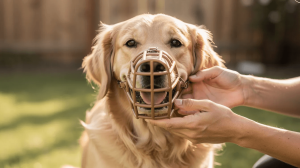
Image 1 placement: Dog approaching an unfastened basket muzzle. Caption: “Illustration: Introduce the muzzle with the straps unfastened and let your dog choose to approach.”
Begin this phase when your dog comfortably interacts with the muzzle. The goal is voluntary nose insertion, with the straps unfastened.
Hold the muzzle still at your dog’s nose height, with the straps unfastened. Offer suitable food near the opening, then gradually farther inside if your dog remains comfortable. Once they readily insert their nose, begin presenting the empty muzzle and rewarding through an opening after they choose to put their nose in.
Build the behavior gradually:
- Reward brief nose insertion. Let your dog withdraw immediately if they choose.
- Reward remaining inside briefly. Deliver another small reward while their nose is still in position.
- Add a little duration. Increase time only when your dog continues to participate comfortably.
- Practice voluntary entry without food already inside. Reward promptly after the behavior.
Throughout this phase, let your dog withdraw whenever they choose. Never push the muzzle onto their face or trap their head. If they back away, pause and make the next attempt easier instead of using better food to draw them into a step they are not ready for.
Before advancing, your dog should repeatedly choose to place their nose inside and remain comfortable while you briefly handle the equipment.
Phase 3: Adding the Straps and Increasing Duration
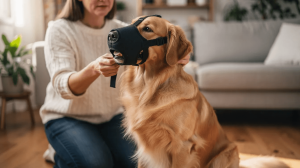
Image 2 placement: Owner rewarding a muzzled dog indoors. Caption: “Illustration: Keep initial fastening practice brief and watch your dog’s response.”
Introduce strap movement separately from fastening. Some dogs are comfortable with the basket but uncertain about handling behind their ears or the sound of the buckle.
Follow these small steps:
- Introduce the buckle sound. Fasten and unfasten it away from your dog’s head, pairing the sound with rewards if needed.
- Touch and move the straps. Reward comfortable participation while your dog’s nose is inside the unfastened muzzle.
- Briefly position the straps. Return to an easier step if your dog withdraws or becomes tense.
- Fasten briefly. Reward and promptly unfasten. Use the appropriate secure adjustment rather than leaving the muzzle loose enough to slip.
- Gradually extend duration: Add small amounts of time only while your dog remains comfortable. Do not increase duration and environmental difficulty at the same time.
- Add easy movement. Practice a few relaxed steps indoors or a familiar cue your dog already knows.
If your dog freezes, repeatedly paws at the muzzle, or tries to rub it off, stop the exercise and remove the muzzle when you can do so safely. Check fit and return to an easier step in a later session. Do not scold your dog or use continuous feeding simply to conceal discomfort.
Begin brief practice in a new setting only when your dog comfortably accepts fastening, moves normally, and can pant, drink, and receive rewards in the muzzle. Start somewhere quiet and increase difficulty gradually; a particular number of minutes does not establish readiness.
Using the Muzzle in Real-World Situations
Once your dog is comfortable with the muzzle at home, begin brief practice in other quiet settings. Whenever possible, introduce the equipment before it is needed for a stressful event. If an emergency occurs first, contact the veterinary team for handling instructions rather than delaying care.
Introducing the Muzzle at the Vet, Groomer, and in Public
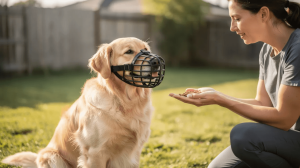
Image 3 placement: Dog and handler on a quiet walk. Caption: “Illustration: Begin outdoor practice in a quiet setting with attentive supervision.”
Practice low-pressure versions of the activities your dog may encounter.
- Put the muzzle on briefly before a familiar indoor activity.
- Practice walking to the car separately from taking a trip.
- Ask your veterinary clinic whether a short, non-procedure practice visit is appropriate.
- Tell the veterinarian or groomer about your dog’s handling concerns, muzzle experience, and useful rewards.
Do not assume the parking lot or lobby will be comfortable simply because no procedure is planned. Start with the easiest setting your dog can handle.
For public outings in the Roanoke and New River Valleys, start with brief walks in quiet, familiar places. A busier trail or sidewalk is not a required next step. Choose settings where your dog can remain comfortable, and return to an easier environment if their behavior changes.
A muzzled dog still needs distance from triggers. Continue using a leash attached to appropriate walking equipment, and prevent unwanted approaches from people or animals.
Integrating Muzzle Use Into Behavior Modification Plans
For dogs with a bite history, resource guarding, or reactivity, muzzle use may be one part of a professionally planned management approach. Equipment does not resolve the emotions or circumstances contributing to the behavior.
If your dog has a bite history, discuss muzzle selection and conditioning with your veterinarian and an appropriately qualified behavior professional. Local owners can review Off Leash K9 Training New River & Roanoke Valleys’ aggression and behavior training options and ask whether muzzle-conditioning support is available for their dog’s situation.
Do not use a muzzle as permission to force greetings, approach other dogs, or continue handling while your dog shows distress. The management plan should reduce avoidable exposure and identify what to do when the dog needs more space.
Comparing Occasional and Frequent Muzzle Use
Some dogs need a muzzle for occasional veterinary care. Others may use one regularly during supervised outings or behavior work. Frequency does not change the need for a comfortable fit and attentive supervision.
Whether use is occasional or frequent, supervise your dog, check for rubbing, and provide appropriate breaks and access to water. Heat, humidity, exertion, and restricted panting increase concern. The 2026 review of dog-worn equipment recommends minimizing wear time and choosing designs that preserve airflow and wide-open panting. PMC
Do not discontinue a safety muzzle solely because recent outings have gone well. Review the dog’s history, remaining risks, and management plan with the professionals involved. Some dogs may continue to need a muzzle for particular situations. That does not justify unattended or all-day wear, and appropriate fit does not eliminate every risk.
Supervision and Urgent Veterinary Needs
Never leave your dog unattended while wearing a muzzle, including in a crate or when left home alone. Equipment can become caught, come off, or be damaged. Check the basket and straps for wear, and clean them according to the manufacturer’s directions.
If your dog is injured, having trouble breathing, or otherwise needs urgent care, call the veterinary team for instructions. Explain any bite history and whether your dog is accustomed to a muzzle. Do not delay treatment to finish conditioning or attempt unfamiliar restraint on your own.
Common Challenges in Muzzle Training a Dog—and How to Solve Them
Setbacks can occur during conditioning. Check equipment fit, reduce the difficulty of the task, and seek help if your dog remains distressed.
Dog Refuses to Approach, or Sniffs Then Backs Away
Avoidance can reflect unfamiliar equipment, discomfort with handling, previous experiences, or a training step that is too difficult. Check the setup and your dog’s response rather than assuming a single cause.
What to try:
- Increase the distance between your dog and the muzzle.
- Reward comfortable observation before asking for approach.
- Keep the muzzle still and avoid leaning over your dog.
- Offer suitable rewards without requiring your dog to move closer than they choose.
- If avoidance is intense or persistent, ask your veterinarian or a qualified behavior professional for help. Local owners can contact the training team to discuss their dog’s needs and confirm whether relevant support is available.
Dog Paws at the Muzzle or Tries to Rub It Off
Repeated pawing or rubbing may reflect poor fit, irritation, or a training step that is too difficult. Do not assume your dog will simply get used to it.
What to try:
- Stop and remove the muzzle safely if your dog is uncomfortable.
- Check for pressure near the nose, eyes, ears, and straps.
- Return to unfastened nose-in practice or shorter fastening attempts.
- Increase difficulty more slowly.
- Seek fitting advice if rubbing or skin irritation continues.
Avoid scolding or holding your dog’s paws down to make them tolerate the equipment.
Dog Won’t Take Treats While Wearing the Muzzle
Refusing food can reflect stress, difficulty reaching the reward, lack of appetite, or another issue. Compare the behavior with what is normal for your dog.
What to try:
- Return to a stage where your dog was comfortable.
- Use a familiar, suitable soft reward.
- Check whether the design permits safe reward delivery. If it does not suit your dog or intended use, seek help choosing another model. Do not enlarge openings or modify the muzzle in ways that could weaken it.
- Check panting room and overall fit.
- Stop if your dog remains unwilling to participate.
Food acceptance is useful information, but eating alone does not prove that a dog is comfortable. Consider movement, posture, and voluntary participation too.
Owner Feels Embarrassed or Worried About Public Perception
It can feel uncomfortable when people make assumptions about a muzzled dog. You don’t need to disclose your dog’s history or allow contact to reassure someone.
Reassurance: A muzzle is safety equipment, not a complete description of your dog. The Muzzle Up! Project provides education about appropriate muzzle use and conditioning.
Practical tips:
- Use a brief response such as, “Please give us space; we’re practicing.”
- Choose clear wording that matches your dog’s actual needs.
- An “In Training” patch may help communicate a request, but it does not replace active management.
- Seek supportive training communities if that helps you feel more comfortable. Keep decisions focused on your dog’s welfare and safety needs rather than other people’s reactions.
Conclusion and Next Steps
With suitable equipment, gradual practice, and attention to your dog’s response, muzzle training can become a useful part of everyday care. Some dogs need additional support, especially when fear, handling sensitivity, or a bite history is involved. The goal is comfortable participation and better risk management, not a guarantee of stress-free outings or complete safety.
Here’s how to get started:
- Choose suitable equipment. Follow the manufacturer’s measurement instructions and obtain help if you are unsure about fit or protection.
- Begin with voluntary interaction. Reward comfortable observation and approach before asking your dog to put their nose inside.
- Build nose insertion before fastening. Let your dog withdraw freely during the unfastened stages.
- Add straps, duration, and movement gradually. Use your dog’s response to decide when to advance.
- Plan easy practice outside the home. Coordinate veterinary or grooming practice with the professionals involved.
- Seek help when needed. Persistent distress, biting risk, food guarding, or sensitivity to handling may require individualized guidance.
If you’re in the New River or Roanoke Valleys, contact Off Leash K9 Training New River & Roanoke Valleys to discuss your dog’s behavior and ask whether muzzle-conditioning support is available. Confirm the appropriate program and equipment guidance before booking. You can also call (540) 750-1955 for a free consultation.
For related training needs, explore the team’s dog obedience programs. Obedience practice can support daily handling, but it does not replace appropriate muzzle conditioning or a behavior-management plan.
Additional Resources and Support
These resources provide further information:
- Cornell University: Basket muzzle training: Veterinary guidance on conditioning and appropriate use.
- Penn Vet: Basket muzzles: A veterinary behavior handout covering gradual introduction and safety limitations.
- The Muzzle Up! Project: Educational information about muzzle use and training.
- ASPCA: People foods to avoid feeding your pets: Ingredient precautions when choosing rewards.
Consult your veterinarian if pain, illness, or a sudden behavior change may be contributing to fear or handling sensitivity. Muzzle conditioning supports a broader care and management plan; it does not replace medical assessment or treatment.
Frequently Asked Questions About Muzzle Training a Dog
How long does it take to muzzle train a dog?
Muzzle training can take several sessions or longer, depending on your dog’s temperament, previous experiences, and comfort with handling. Some dogs progress quickly, while others need more gradual conditioning. Focus on voluntary participation and relaxed behavior rather than following a fixed timeline. Avoid rushing the process or forcing your dog to wear the muzzle before they are ready.
Can you muzzle train an aggressive or reactive dog?
Yes. Dogs with aggression or reactivity can learn to wear a muzzle through gradual, reward-based conditioning. However, a muzzle does not resolve the underlying behavior or eliminate all bite risks. Dogs with a bite history, severe fear, or handling sensitivity may require guidance from a veterinarian or qualified behavior professional. Continue using appropriate supervision, distance, and management.
What type of muzzle is best for dog training?
A properly fitted basket muzzle is generally preferred for training and supervised walks because an appropriate design allows dogs to pant, drink water, and receive treats. Choose a muzzle based on your dog’s measurements, facial structure, and intended use. Restrictive cloth or nylon sleeve muzzles are unsuitable for extended wear, exercise, or routine conditioning because they can limit panting.
How do I get my dog used to wearing a muzzle?
Start by showing your dog the muzzle and rewarding calm, voluntary interaction. Gradually encourage your dog to place their nose inside without fastening the straps. Once your dog is comfortable, introduce the straps, brief fastening, and short periods of wear. Increase duration and environmental distractions slowly. If your dog becomes distressed, return to an easier step.
Can a dog drink water and pant while wearing a muzzle?
Yes, a properly designed and fitted basket muzzle should allow comfortable open-mouth panting, tongue movement, and drinking. However, not every basket muzzle provides enough room. Check the fit before increasing wear time. A muzzle that restricts panting can interfere with cooling and should not be used for routine walks or training.
What should I do if my dog keeps trying to remove the muzzle?
Repeated pawing, rubbing, or attempts to remove the muzzle may indicate discomfort, poor fit, or training that has progressed too quickly. Stop the session and remove the muzzle safely. Check for pressure around the nose, eyes, ears, and straps. Resume with shorter, easier exercises once your dog is comfortable. Seek professional fitting advice if the behavior continues.
Is it safe to leave a muzzle on a dog when home alone?
No. Dogs should never be left unattended while wearing a muzzle, including when confined in a crate or left home alone. The equipment could become caught, damaged, or displaced, creating an injury risk. Muzzles are intended for appropriate, supervised situations and should not replace secure management, behavioral training, or responsible care.